Buy. Own. Run. Sell.
Your next move.
Make it count.
Buying your first business?
Running one that runs you?
Getting ready to sell?
Practical courses and free working tools for every stage of small business ownership.
Books taught and used at colleges and universities worldwide.
Find my next moveStart with a free resource. No account needed.
Is this the business for you?
Illustrated guide collection · Free digital resources
Who is Official Business Doctor for?
Official Business Doctor teaches all 4 stages of owning a small business: buy it, own it, run it, sell it. The library includes free guides and calculators, a free buying course, 12 paid courses and a weekly live deal review. Dr. Matty Herrera teaches from experience buying with cash, buying with an SBA loan, operating, selling and founding businesses.
Choose your starting point
What are you working on?
Is this the business for you?
Read the deal, question the records, and compare buying with building.
Buy a businessOwnWhat changes when the keys are yours?
Take the owner's seat. Understand the people, the cash, and your responsibilities.
Own the businessRunWhat still depends on you being there?
Document recurring work, hand it off, and put AI inside a process you can check.
Run it on systemsSellWhat can the next owner verify?
Make the records clear, the work transferable, and the handover deliberate.
Sell a businessA useful place to begin
A working document.
A better next question.
Choose a free preview for your stage. See what it covers, review the expected output, then start the guided version in the Tools Workspace.
Previews require no account.
Starting or resuming an assessment requires a completed Tools profile.
OBD / THE WORKING DOCUMENTS
Acquisition Readiness Scorecard
Read the evidence
- Can you identify which customer relationships depend on the current owner personally?
- Are the decisions that only the owner can make written down?
- Is the work that cannot be priced, delivered, or supervised without the owner identified?
Acquisition Readiness Scorecard
A first pass through the evidence behind a listing. Name what you have seen, what is missing, and what to ask next.
First 90 days checklist
A working order for reading the business, meeting the people, and taking responsibility for the cash before making discretionary changes.
Process inventory worksheet
List the recurring jobs that touch cash and customers. For each one, identify its trigger, responsible person, checklist and evidence of completion.
Sellability self-check
Check the evidence a buyer will need to understand and take over the business. This is a record of preparation, not a valuation or a prediction of a sale.
See how the teaching works
Read. Question.
Verify.
This acquisition example shows the method: read a claim, find its supporting evidence, then identify the next question. Each stage has its own materials and its own decisions.
Read a free deal lessonA captioned overview of all four ownership stages.
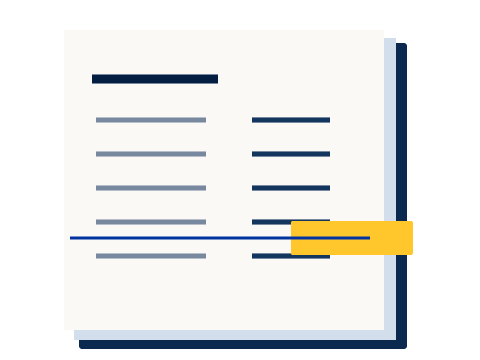
The records tell you what to ask next.
The operator behind the teaching
The work continues
after the purchase.
Dr. Matty Herrera
Read the operator recordI bought with cash. I bought with an SBA loan. I operated the business. Then I sold it and built another from nothing.
The teaching draws on that ownership record: the questions before closing, the responsibilities after it, the systems behind the work and the preparation for an exit.
Zoe bought a beauty supply store. Rashad and Tre' founded businesses. Those are different paths, and they are described as different paths.
Results vary. Nothing here is financial, legal, or tax advice.The learning library
Start where you are.
Keep the whole picture.
The courses cover different decisions across ownership. Browse the curriculum, the materials and the availability before choosing what you need.
Explore the coursesBuy a business
Read the buy guideOwn the business
Read the own guideKeep the evidence close
Guides, tools and original research.
Before you choose
Questions about learning here.
Where should I start?
Choose the decision in front of you: Buy for entering ownership, Own for taking responsibility, Run for making work repeatable, or Sell for preparing a transfer. Each guide has a free working document and an educational next step.
What if I am starting a business instead of buying one?
The Buy guide includes the buy-or-build decision. Once a business exists, the Own and Run materials address responsibilities, people, financial visibility and repeatable work that matter on either path.
What is the difference between Own and Run?
Own is about your responsibilities as the owner: transition, team, decisions and finances. Run is about how the work gets done: documented processes, clear responsibility, measures and appropriate AI assistance.
Do I need an account for a free resource?
You can read every public resource preview without an account. Starting, saving or resuming the guided assessment requires a free Tools account with a completed profile. Course checkout remains separate and only requires your email.
How do the courses and community fit together?
Courses teach particular decisions across the four stages. The Deal Room is one community with four member identities and a weekly deal review. Packages have their own included courses, access periods and terms; compare the current catalog before purchasing.
Do the resources predict what a business is worth or promise a result?
No. They help you distinguish documented evidence from missing or unresolved information. They do not produce a valuation, a probability of success or a recommendation to buy or sell.